Understand the system, not just the symptom
Before settling on a solution, I want to understand the underlying conditions.
- What is driving the problem?
- Who it affects?
- What would a meaningful improvement look like?
Cloud architecture · Platform modernization · Security by design
My work sits at the intersection of cloud engineering, security, automation, and enterprise operations. I'm interested in more than whether a solution works today. I care about how it changes risk, how people work with it, and whether the organization can sustain, understand, and improve it over time.
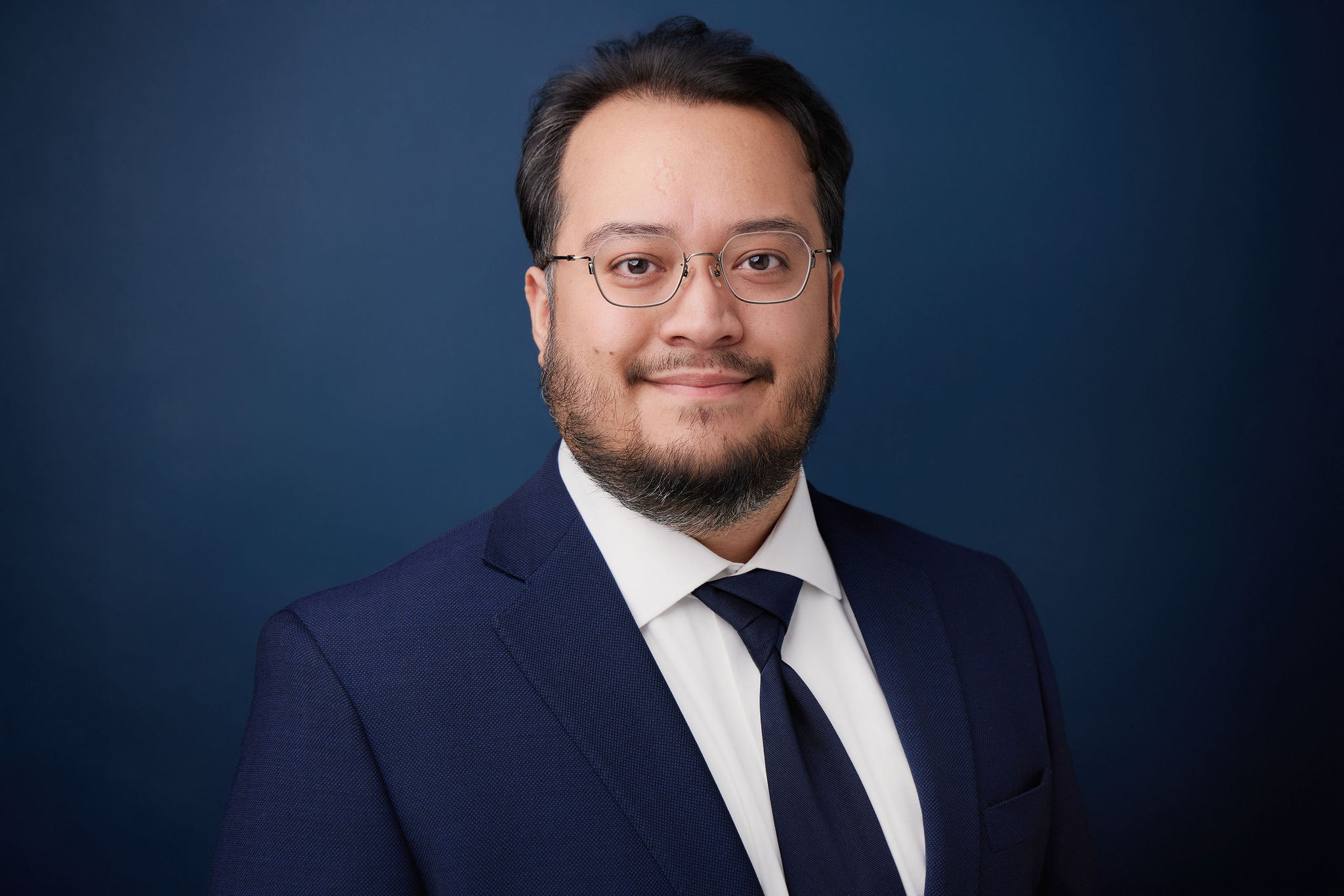
My experience spans healthcare operations and technology, two environments that have shaped how I approach complex systems. Both have shown me that reliability is never just a technical concern. People, processes, constraints, and decisions all influence whether a system delivers what it was intended to deliver.
I tend to look beyond the immediate problem. I want to understand how the pieces fit together, where unnecessary complexity has accumulated, and what needs to change for things to work better as a whole. The newest technology isn't necessarily the right answer. The right answer is the one that addresses the underlying problem and holds up in the environment where it has to operate.
Good work should leave an organization more capable than it was before. That means clear ownership, knowledge that is shared rather than concentrated, and systems the next person can understand and build upon. The quality of an outcome matters. It should be able to stand long after the person who created it has moved on.
Before settling on a solution, I want to understand the underlying conditions.
A solution has to do more than work in isolation. It needs
to fit the environment, account for risk, and remain practical
to operate and maintain.
I look for ways to make security,
reliability, and good engineering habits part of how systems
are built, rather than responsibilities added afterward.
I value work that creates lasting capability. Clear decisions,
useful documentation, shared understanding, and deliberate
ownership make it easier for teams to move forward without
having to rediscover everything that came before.
A strong outcome should create momentum beyond the person who delivered it.
I'm drawn to problems that sit between disciplines, where technology,
security, operations, and the way people work all influence one
another.
I enjoy learning unfamiliar systems, questioning assumptions,
and following a problem far enough to understand what's actually
happening.
What I find most rewarding is connecting those pieces and finding
a better way forward. Sometimes that means introducing something
new. Sometimes it means simplifying what already exists, making
a difficult process understandable, or helping people see a
problem differently.
The value is in the improvement, beyond the novelty of the solution.
I'm always interested in talking with people who enjoy thinking through difficult problems, challenging assumptions, and finding ways to make things work better. Whether the conversation is about technology, how teams approach their work, or an idea worth exploring, I'd be glad to connect.